The Consultation Myth: Why Asking Is Not the Same as Opening Every Option
Public consultation can shape a proposal without reopening every choice. Learn how to read its scope, contribute effectively, and assess the institution’s response.
A public consultation can invite useful input while leaving the central decision unchanged. Public consultation means an institution is asking people to comment on a proposal; the invitation should clarify what that input can shape, rather than implying that every option remains available.
The word “consultation” can describe very different arrangements. An institution might be seeking views on a broad policy, refining a service’s design, or asking about implementation after a decision. The questions, stated constraints, and promised follow-up help show what kind of participation is being offered.
Read the invitation for the boundary of the question
Find the sentence that says what feedback the institution wants. “What should the policy do?” suggests a broader discussion than “How should the proposed service be delivered?” The latter points toward a proposal whose purpose may already be set, while some details remain open.
Verbs can offer clues, but they are not a complete account of participants’ influence. “Consider,” “seek views,” and “invite comments” describe a request for input, not a promise to adopt it. “Co-design” or “jointly determine” suggests a more participatory arrangement; the invitation should still explain who makes decisions and how disagreements are handled.
Notice any stated boundaries. A consultation may exclude a location, funding choice, legal requirement, or option described as unavailable. That tells you what this process says it can address; it does not, by itself, explain why the boundary exists or whether a different process could revisit it.
- If the invitation names a specific proposal, identify what it asks people to comment on; if it does not, ask the responsible office to clarify the subject.
- If the invitation says some parts are open to change, note those parts; if it names no open choices, ask what feedback can still influence.
- If an option is excluded, look for the stated reason; if none is given, ask whether the limit comes from law, a prior decision, resources, or the chosen scope.
- If the invitation names who will consider responses, note that person or body; if it does not, ask who will make the decision.
- If the institution promises to explain how input was used, note where it says the explanation will appear; if it makes no such promise, ask whether it plans to publish a response.
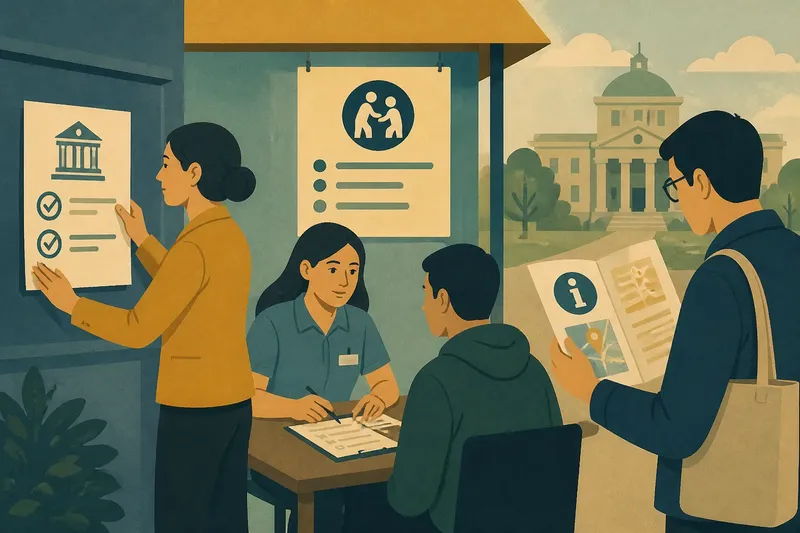
- If the notice specifies a submission channel or format, follow it where practical; if that format blocks your participation, ask the named office about an accessible alternative.
Keep these observations beside the invitation. They help you tailor a response and identify what the document leaves unclear.
Distinguish constraints from choices the invitation leaves open
A consultation may treat some conditions as fixed while leaving other choices available for discussion. A legal duty or existing authorization might be presented as a constraint. The location of a service desk, the wording of public information, or the sequence for carrying out a proposal might remain open.
A question in the invitation does not necessarily mean the underlying choice is still undecided. Officials may be asking how to implement an option already selected. The reverse is also possible: an institution may describe a preferred option while saying that it is still weighing alternatives. Read the question alongside the document’s explanation of its scope.
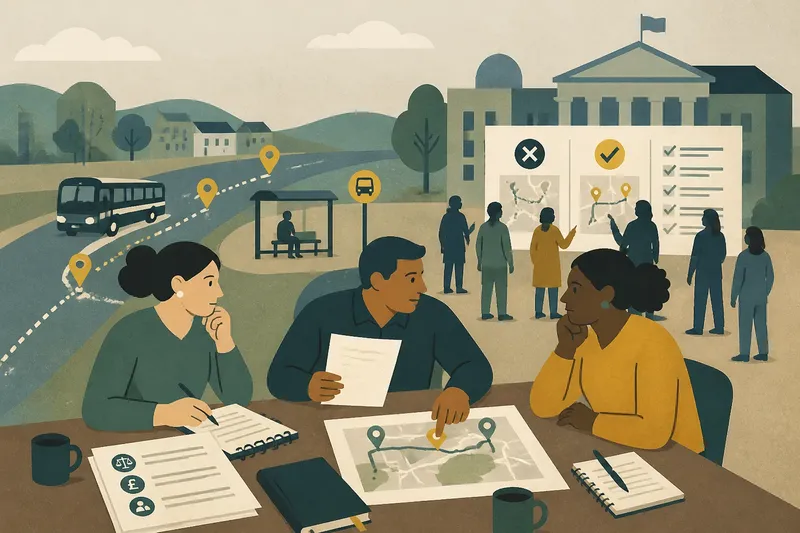
Imagine a transit authority has chosen a corridor for a new bus route and is asking for comments on stop locations and operating hours. A resident who prefers another corridor could explain the effects of the chosen route and ask whether the corridor is truly outside scope. The invitation, as described, offers a more direct opportunity to influence stop placement and hours than to replace the corridor.
This distinction helps you decide whether to answer the questions as written, challenge an exclusion, or do both. It also keeps a narrow request for comments from being mistaken for an offer to reconsider the entire proposal.
Make a response specific to the invitation
Address the questions the institution has posed, and connect each suggestion to a consequence people can assess: access, clarity, fairness, or service usability. A concrete alternative gives the decision-maker something specific to consider.
If you think an excluded option should be reconsidered, say so directly and explain why. Ask whether the limit comes from law, an earlier decision, available resources, or the scope selected for this consultation. Those reasons have different implications, and the invitation may not make clear which one applies.
Say you are responding to a draft community-service schedule that asks about opening hours but calls the location settled. You could propose hours that better suit people who rely on public transit, then separately ask what authority established the location. The resulting decision or response may address the schedule while explaining why the location was not reconsidered; a useful reply should make that distinction visible.
Use the stated submission channel and keep a copy of your response and the invitation. If the process names a closing date or format, follow it where practical. If you need an accessible way to participate, contact the named office and ask about alternatives.
Look for an account of how officials treated the input
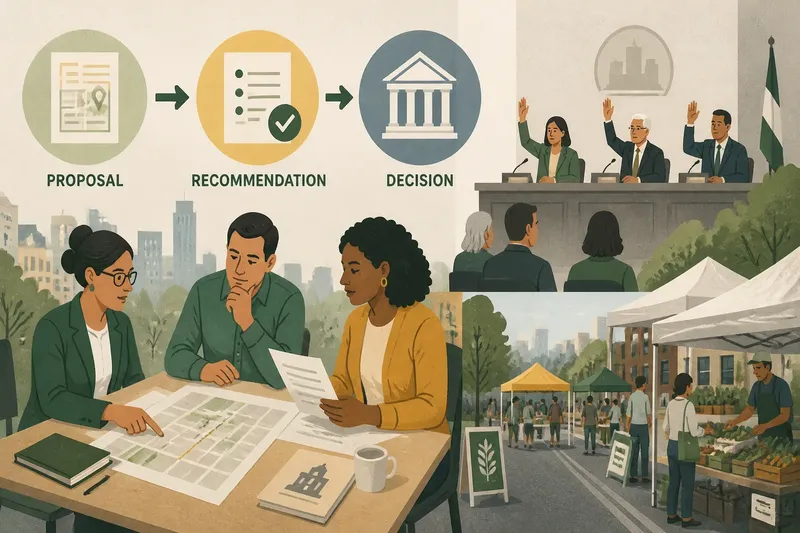
After comments close, look for a response summary, decision notice, revised document, or meeting minutes from the body that considered the issue. These records may explain whether officials changed a proposal, retained it, or deferred a decision.
A change is not the only sign that input was considered. Officials may accept a suggestion, explain why they cannot adopt it, or clarify a constraint that was unclear in the invitation. Look for an account that connects the main themes in the responses to the decision, or explains why that connection is limited.
If no account appears, ask the responsible office whether it plans to publish one and who made the decision. Keep your request focused on what was considered, what remains pending, and where the outcome will be recorded. That information helps you assess the institution’s response without assuming that consultation meant shared control.
What does a public consultation tell participants?
Does a consultation mean the proposal is still open to change?
Not necessarily. The invitation should say which parts can change and identify who will decide; if those points are unclear, ask the responsible office.
Can I comment on an option the invitation excludes?
You can explain why it should be reconsidered and ask what established the limit. The institution may keep the current scope, but a clear response can explain the boundary and its consequences.
How does consultation differ from shared decision-making?
Consultation generally means people provide views for a decision-maker to consider. Shared decision-making requires a clearer account of participants’ authority, the decisions they share, and how disagreements are handled.
How can I tell whether comments affected the outcome?
Compare the final decision and its explanation with the invitation and any response summary. Look for reasons describing what changed, what did not, and why.
Judge the invitation by the influence it describes
The assumption to avoid is that asking for views means every option is open. A public consultation is clearer when it explains what people can influence, which limits apply, and who will make the decision.
As you read, note the questions being asked, the boundaries the institution states, and any promise to explain its decision. That gives you a practical basis for contributing where input is invited, questioning unclear limits, and assessing the final account against the public consultation’s stated scope.